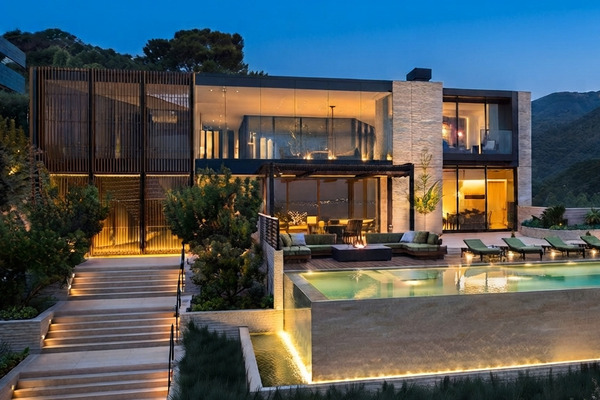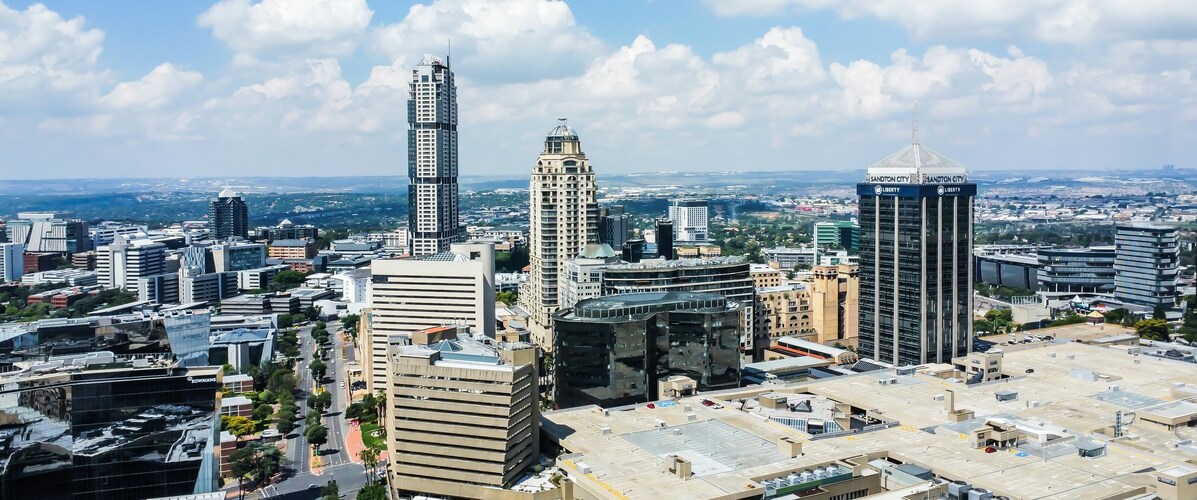
Sandton's residential market is navigating a transition marked by a 3.2% growth rate and an inventory oversupply, particularly in the sectional title sector. While average property prices have risen to approximately R5.5 million, that oversupply has pushed the average time on market to 108 days — firmly favouring buyers. Despite this, secure lifestyle estates and high-end rentals, offering yields between 11% and 16%, remain strong, driven by a buyer demographic where 70% are under 50.
This is the Sandton property market in 2026: a landscape of stark contrasts where oversupply in one segment coexists with robust demand in another, where a buyer's market in some suburbs sits alongside resilient price growth in premium enclaves. For anyone considering buying, selling, or investing in Sandton, understanding these competing forces is the key to making a smart, strategic move.
The Sandton Property Paradox: A Buyer's Market with Pockets of Strength
The headline numbers paint a picture of a market tilting in favour of buyers. An average price of around R5.5 million, a moderate growth rate of 3.2%, and 108 days on market suggest a market cooling after a period of intense activity. Data from Lightstone shows that in key suburbs like Bryanston, properties are spending an average of 108 days on the market before selling — placing it among Johannesburg suburbs with the longer selling times.
However, this is not a uniform slowdown. The Sandton area has seen excellent overall price growth of around 6%. The reality is a tale of two markets: the oversupplied sectional title sector creating opportunities for buyers, and the resilient high-end freehold market where demand remains robust. Understanding this duality is essential for anyone looking at Sandton property.
Sectional Title: Oversupply Meets Buyer Leverage
The oversupply in the sectional title sector — apartments and townhouses — is the most defining feature of the current market. This is particularly pronounced in and around the Sandton CBD, where an estimated 300 to 400 active short-term rental listings are competing aggressively, compressing yields for individual owners. This is not a crisis, but it is a clear market signal.
Evidence of this pressure is visible in the numbers. Etchells and Young's analysis shows a gap of roughly R349,000 between the average asking price and the average achieved price in the sectional title segment. This gap is a direct result of the oversupply, forcing sellers to recalibrate their expectations and giving buyers significant room to negotiate. For those looking at Sandton property in this segment, this presents a significant opportunity.
If you are looking for a sectional title unit in Sandton, you are in a strong position. With more stock on the market and properties taking longer to sell, you have leverage to negotiate on both price and terms. A gap of R349,000 between asking and achieved price is not just a statistic — it's your negotiating room. This makes Sandton property in the sectional title segment one of the most buyer-friendly markets in Gauteng.
Advertisement
Freehold and Estates: The Enduring Appeal of Space and Security
While the sectional title market faces headwinds, the market for secure lifestyle estates and freehold properties tells a very different story. These segments remain strong, driven by a buyer demographic where 70% are under 50 — seeking security, space, and a high quality of life.
Premium freehold suburbs like Sandhurst and Hyde Park continue to demonstrate remarkable resilience. Sandhurst recorded its strongest freehold sales performance in a decade in 2024, with individual sales of R90 million and R75 million illustrating the depth of demand at the very top end of the market. These suburbs offer a combination of exclusivity, large stands, and proximity to the financial district that is increasingly rare. For those seeking premium Sandton property, these suburbs remain the gold standard.
If you are a buyer in this segment, be prepared for competition. The best properties in secure estates and top-tier suburbs are still attracting strong interest and selling at a premium. Have your bond pre-approval in place before you start viewing.
The Investment Case: High-End Rentals and Yields
For property investors, the Sandton market offers a particularly attractive proposition. The high-end rental market remains a standout performer, driven by demand from multinational companies, expatriates, and professionals who prioritise security and convenience.
Rental yields in Sandton's high-end sector sit between 11% and 16% — but understanding the difference between gross and net yields is critical. Gross yield is calculated before expenses like levies, rates, and management fees. Net yield is what you actually take home. Data from The Africanvestor suggests net yields in Sandton sit around 9.7% to 11.4% for one- and two-bedroom properties, while Global Property Guide's gross yield data shows two-bedroom properties achieving as high as 15.30% and three-bedroom units reaching 17.28%.
- Corporate relocation: Major corporations continue placing executives in Sandton, creating consistent high-end rental demand at a premium.
- Lifestyle demand: Professionals and families are drawn to the security, amenities, and convenience of lifestyle estates.
- Value proposition: Compared to other major African cities, Sandton offers exceptional value for money — attracting investors from across the continent.
For investors, Sandton property offers one of the most compelling yield profiles in the country.
Who is Buying? The Rise of the Under-50 Buyer
With 70% of buyers now under the age of 50, this cohort's preferences are reshaping the Sandton market. It's not just about age — it's about a fundamental shift in lifestyle, values, and professional demands.
- Live-Work-Play integration: High-speed fibre, dedicated office space, and easy access to the Sandton CBD for hybrid working schedules are non-negotiable requirements.
- Sustainability and self-sufficiency: Solar installations, battery backup, boreholes, and water storage are actively sought. Properties operating almost entirely off-grid command a premium.
- Smart home technology: Integrated systems controlling lighting, climate, security, and entertainment via smartphone are now a standard expectation, not a luxury add-on.
- Lifestyle amenities: Private cinemas, wine cellars, fully equipped gyms, wellness suites, heated pools, and outdoor entertainment spaces are increasingly standard expectations.
These preferences are directly influencing what buyers look for in Sandton property.
Where to Buy: Strategic Insights for Different Buyers
For first-time buyers and professionals seeking affordability: Consider Paulshof, Lonehill, and Douglasdale, where entry-level properties are still selling in the R1 million to R2 million range, and Fourways where family homes often sell in the R1.5 million to R2.5 million range. You are less likely to face a bidding war and can take full advantage of current market conditions. These areas offer accessible Sandton property options for first-time buyers.
For families seeking space, security, and lifestyle: Secure lifestyle estates in Bryanston, Morningside, and River Club offer the security and amenities families want. Ensure your bond pre-approval is in place before viewing — well-priced homes in desirable estates still attract significant interest.
For investors seeking high yields: Focus on sectional title properties in secure complexes in premium suburbs like Sandton Central, Morningside, and Bryanston. Target properties with strong security, fibre connectivity, on-site amenities, and a lock-up-and-go lifestyle. Work with a specialist rental agent — tenants in this market are discerning.
For luxury buyers seeking prestige and value: Focus on Sandhurst, Hyde Park, and Bryanston. For the price of a luxury home on Cape Town's Atlantic Seaboard, you can acquire a substantially larger property on a more expansive stand in Sandhurst — a value proposition attracting increasing interest from both domestic and international buyers.
Conclusion: Navigating Sandton's Transition
The Sandton property market in 2026 is a market in transition. The oversupply in the sectional title sector and robust demand in high-end freehold and secure estate segments create genuine opportunities — but only for buyers who understand which segment they are operating in and align their strategy accordingly.
- Buyers Have Leverage: In the sectional title market, a gap of R349,000 between asking and achieved price is your negotiating room — use it.
- Security and Space Are Paramount: Secure lifestyle estates and premium freehold suburbs remain the most resilient and in-demand segments.
- Rental Yields Are Strong: The high-end rental market offers some of the best yields in the country, driven by consistent corporate demand.
- The Buyer Profile Is Changing: Under-50 buyers are reshaping the market — sustainability, smart technology, and live-work-play integration are the new baseline.